
Design System Leadership & Foundations
Employer / Thermo Fisher Scientific
Context & Organizational Challenge
Thermo Fisher Scientific’s digital products span complex scientific, laboratory, and clinical workflows developed over many years by distributed teams. While an initial design system existed, it was originally created to support an e‑commerce use case and could not adequately scale to meet the needs of data‑dense, highly specialized web applications.
As additional products adopted the system, gaps became clear: inconsistent interaction patterns, limited accessibility guidance, duplicated design effort, and friction between design intent and engineering implementation. These issues slowed delivery, increased UX debt, and made it difficult to present a cohesive experience across the product ecosystem.
This initiative focused on evolving the design system from a narrow solution into a unified, enterprise foundation capable of supporting multiple platforms, workflows, and teams.
My Role & Scope
I served as UX Manager and Design Systems Lead, with responsibility for both establishing strategic direction and guiding day‑to‑day execution. My role included:
Defining the long‑term vision and success criteria for the design system
Managing and mentoring a distributed team of UX and visual designers
Establishing standards for UX, visual design, and accessibility
Partnering closely with Product leadership and Engineering
Guiding prioritization, governance, and adoption across multiple product teams
I designed and facilitated a collaborative process that enabled product teams to meaningfully contribute to the design system and share ownership of key decisions.
Strategy & Vision
Rather than treating the design system as a static library, we approached it as a shared product with clear principles guiding its evolution:
1. Design once, scale everywhere
Components and patterns needed to support multiple applications and scientific domains without fragmentation and to do so many voices needed to be heard in the collaborative design process.
2. Alignment over enforcement — Adoption would be driven by collaboration, shared ownership, and demonstrated value rather than rigid compliance.
These principles informed decisions about what belonged in the system, how flexible components should be, and how teams engaged with the work.
Governance & Operations
To support scale without slowing teams down, we implemented a hybrid governance model:
A core design systems team owned foundations, standards, and system coherence
UX designers worked collaboratively on in small teams of 2-3 on new components and extensions based on real product needs
Regular cross‑team reviews ensured alignment while allowing for contextual flexibility
In year 3 a partnership with Engineering ensured design components aligned with coded components
Designers embedded in product teams participated directly in system discussions. This involvement created awareness, trust, and a sense of shared investment, which consistently led teams to advocate for reuse over unnecessary divergence.
The Design System’s Offerings
Over time, the system expanded to include:
Variants on the original core UI components that served the web apps use case
Complex patterns such as navigation, data tables, and access control
Clear usage guidance and documentation
Accessibility annotations and interaction standards
Design‑to‑code alignment intended to support long‑term maintainability
The tools available in our library allowed teams to move faster while maintaining consistency across highly specialized products.
Outcomes & Impact
Over three years, the team delivered:
35 core components (60–70 including subcomponents)
And this translated to:
~100,000 weekly component insertions measured via Figma analytics
Using conservative assumptions about time saved per insertion, this represented approximately 3,000 hours of redundant design work avoided each week. Beyond efficiency gains, the system improved UX consistency, accessibility compliance, and collaboration between Design and Engineering across the organization.
Leadership Reflection
This initiative reinforced that successful design systems are as much about organizational design as interface design. Clear ownership, shared principles, and strong cross‑functional relationships were critical to scaling quality and adoption.
With the benefit of hindsight, I would establish structured feedback loops with Engineering earlier to strengthen alignment and accelerate system maturity, and I would recommend a more explicit, business-level commitment to the ongoing maintenance and funding of the coded component library.
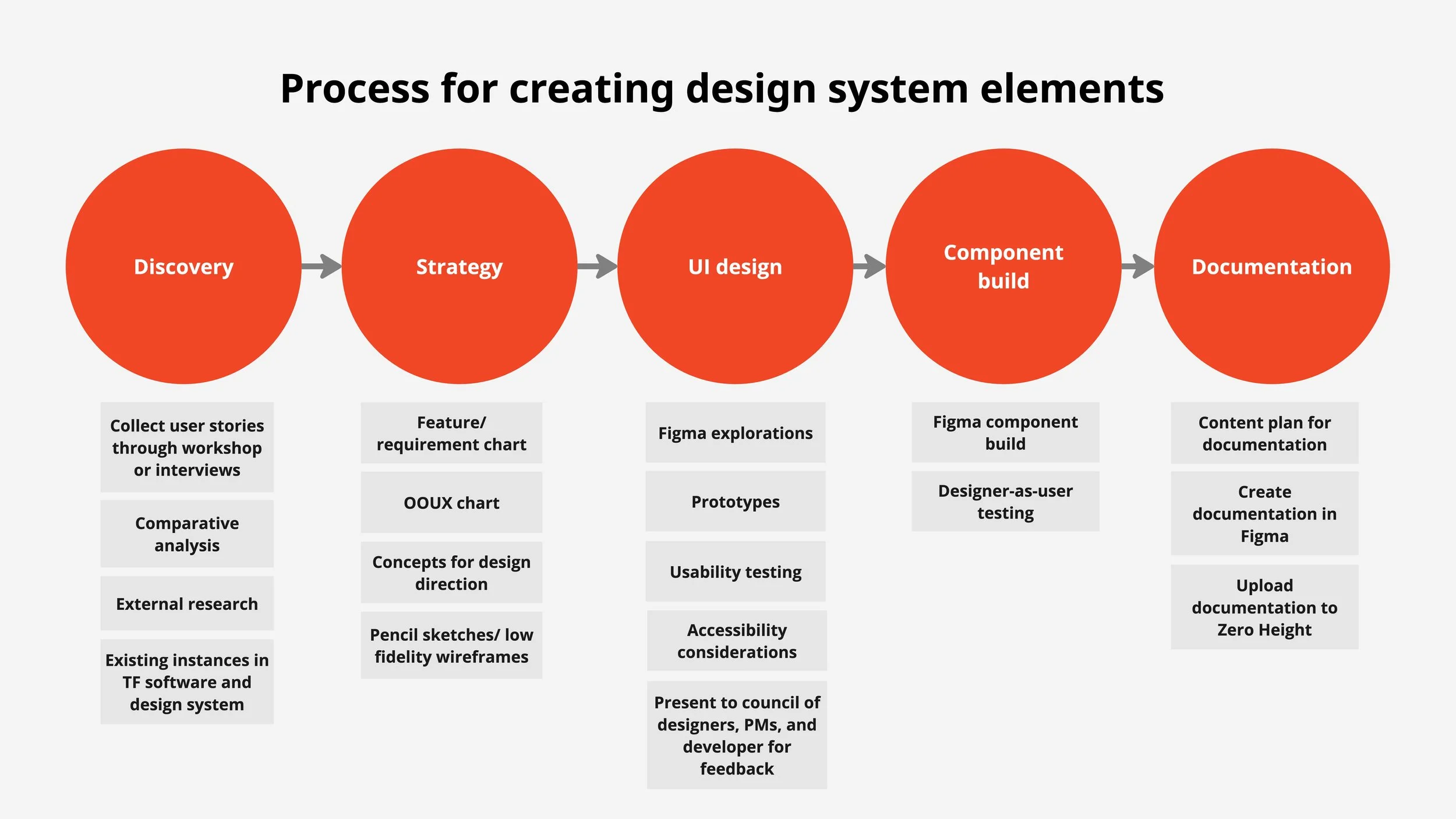
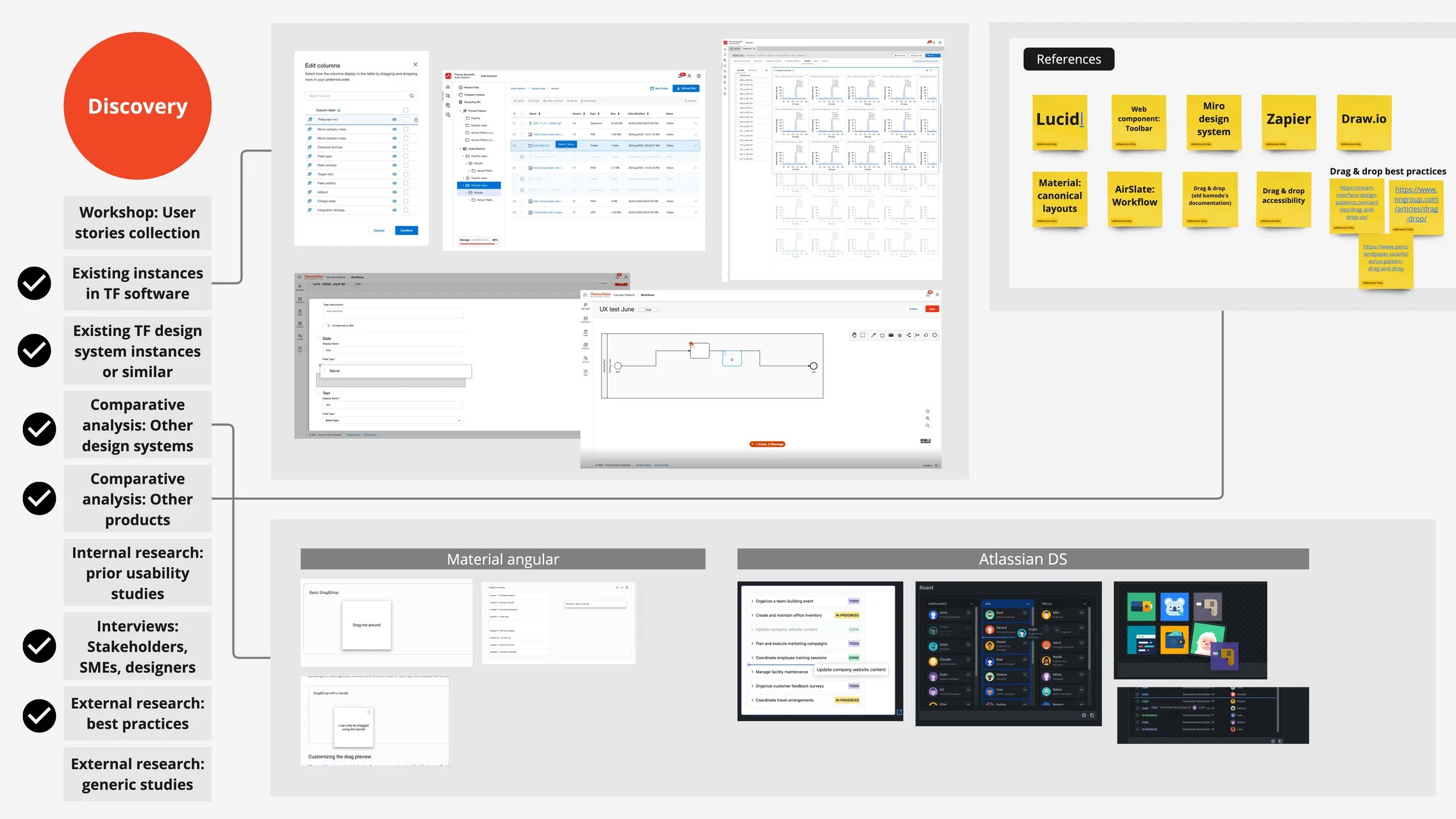
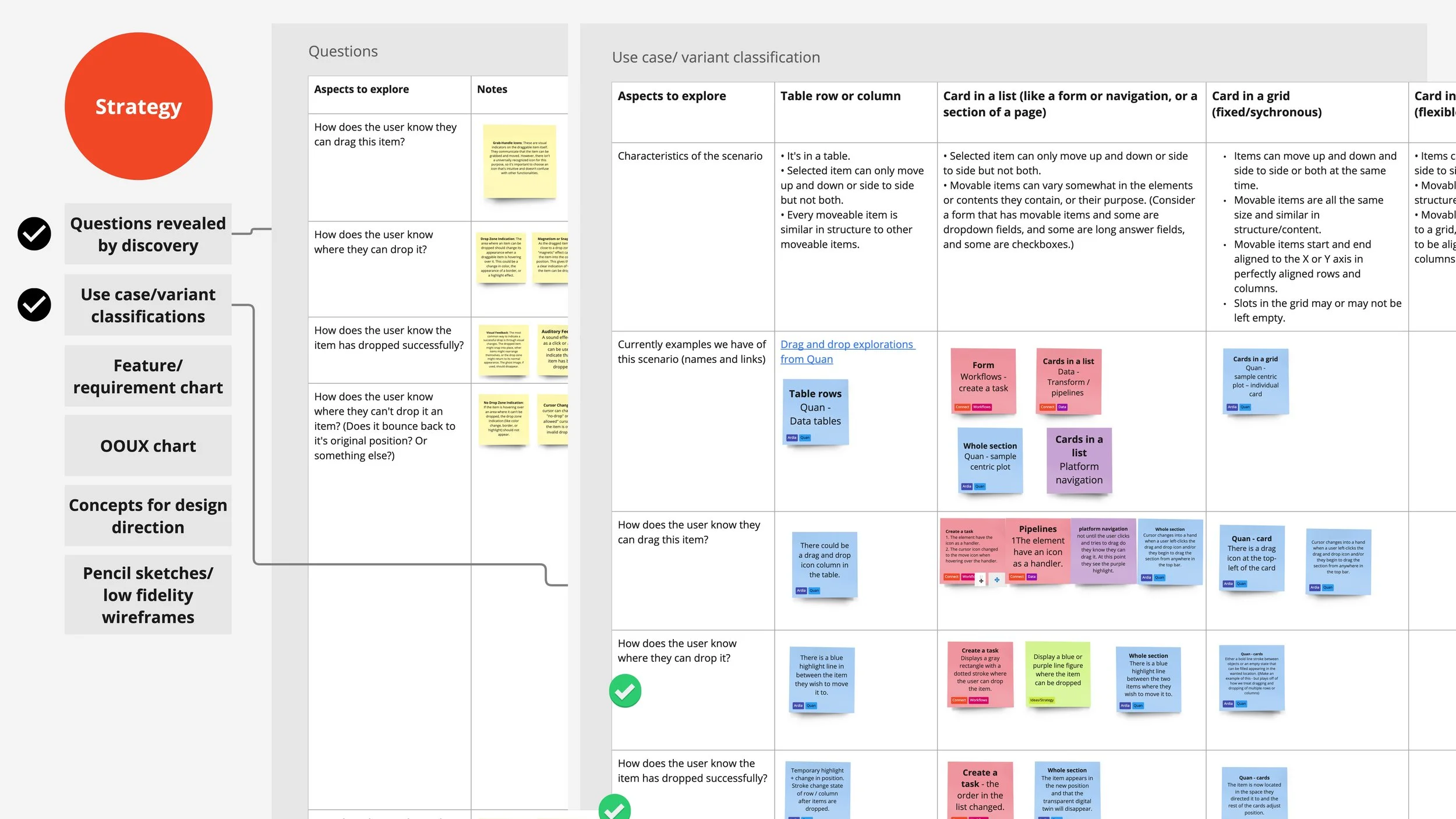
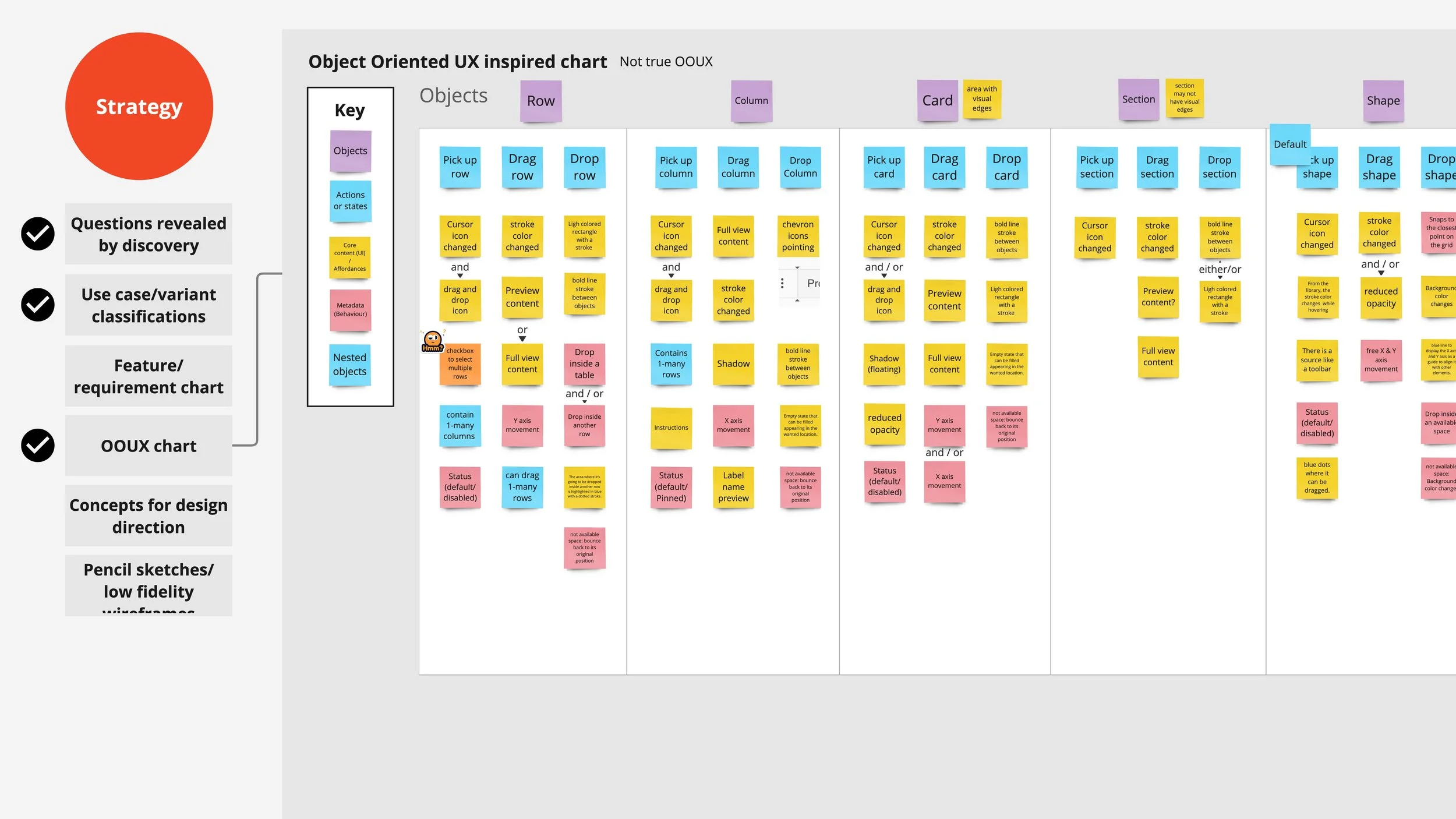
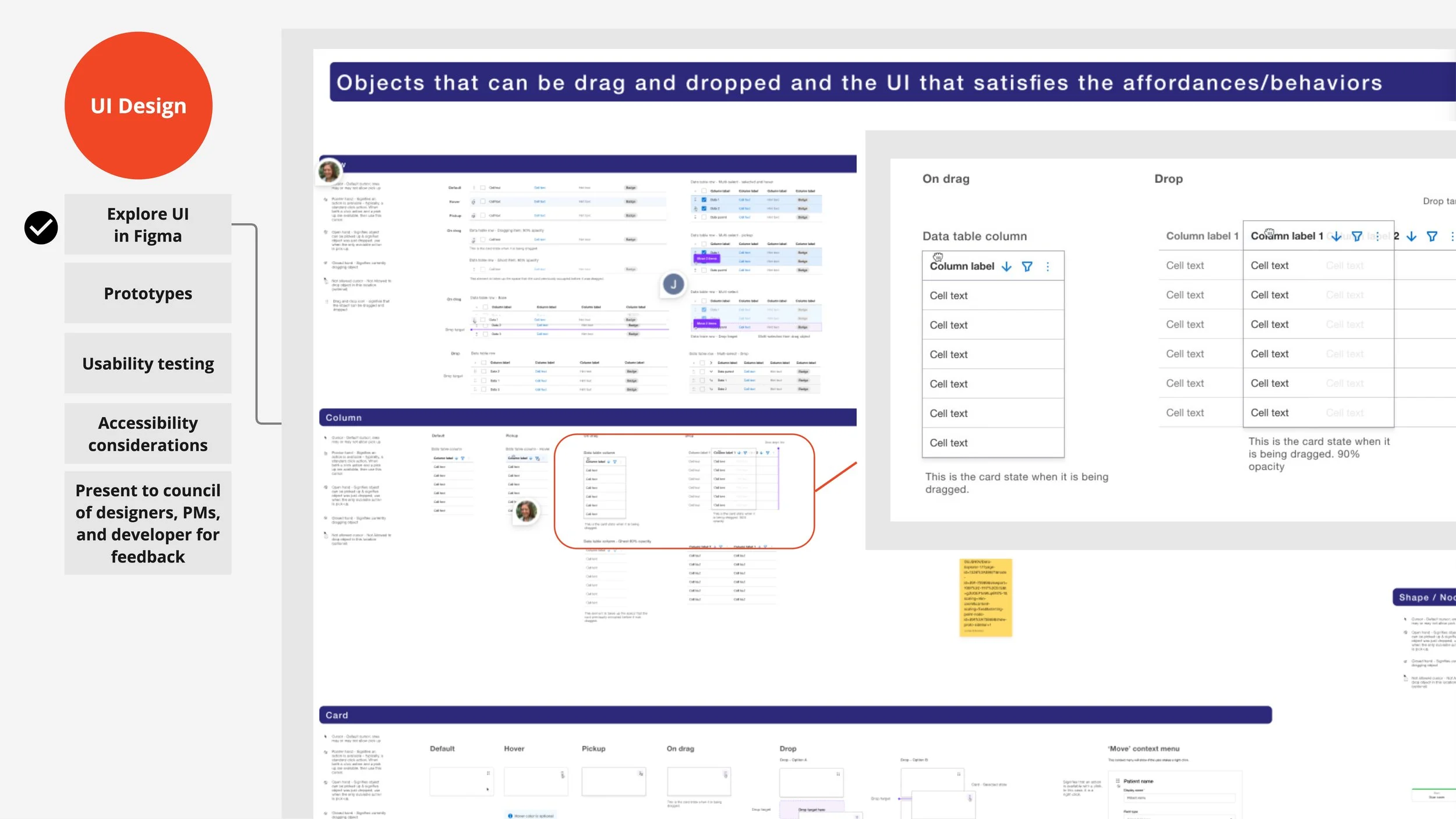
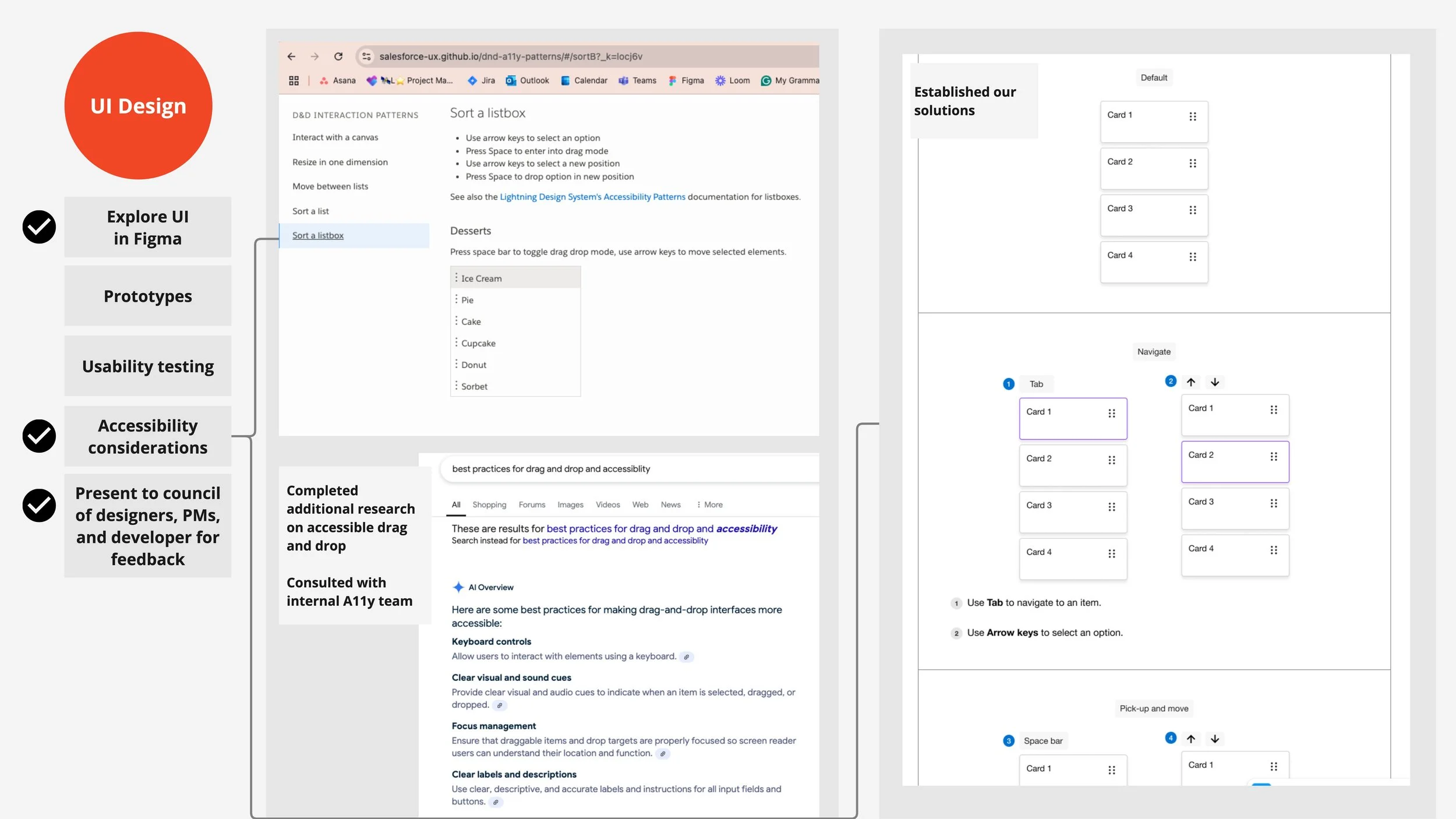
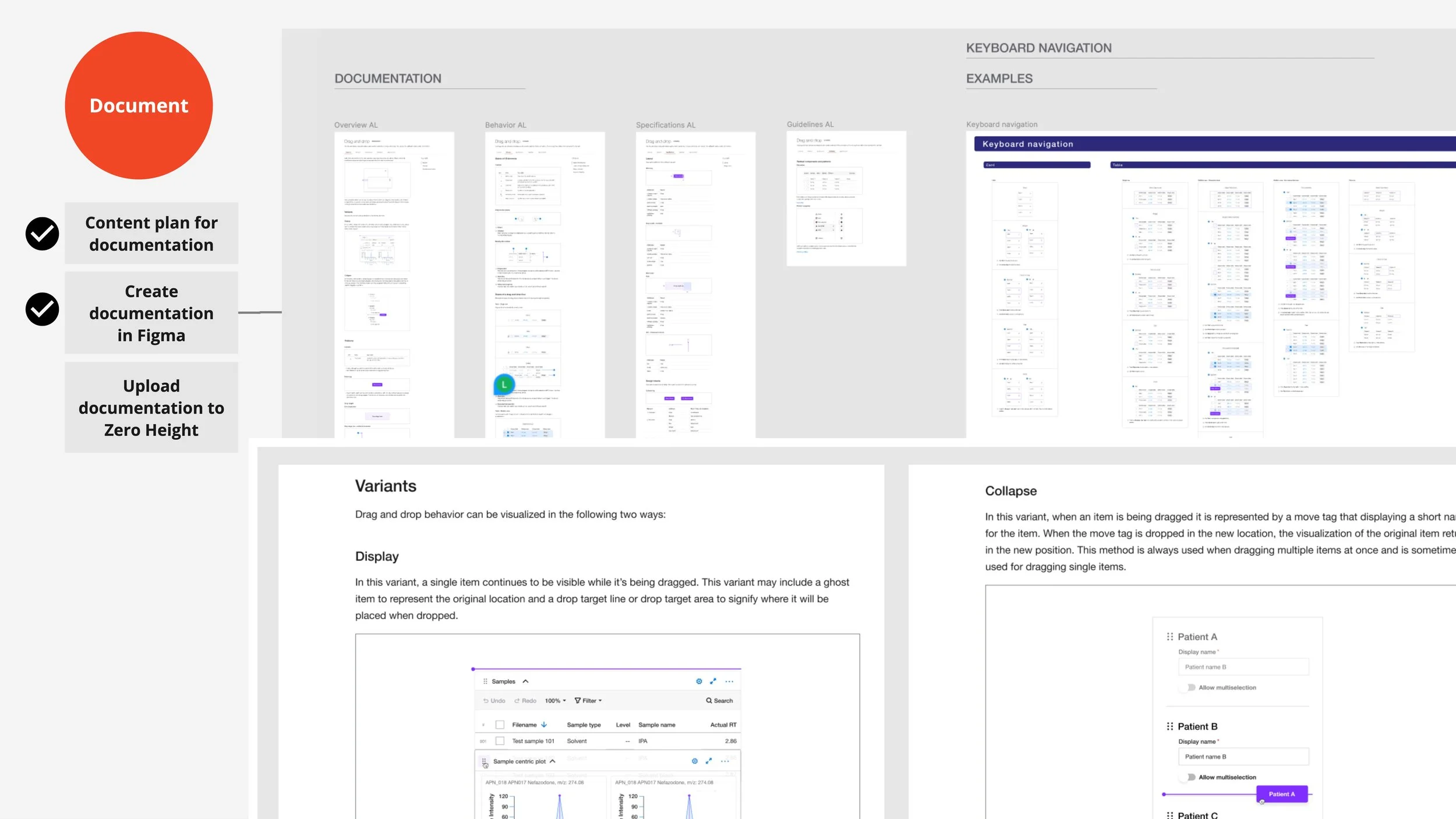
Graphics showcasing the drag-and-drop design system component’s development
Images too small? View PDF.
Images too small? View PDF.
Images too small? View PDF.
Images too small? View PDF.
Images too small? View PDF.
Images too small? View PDF.
UX/UI Design


